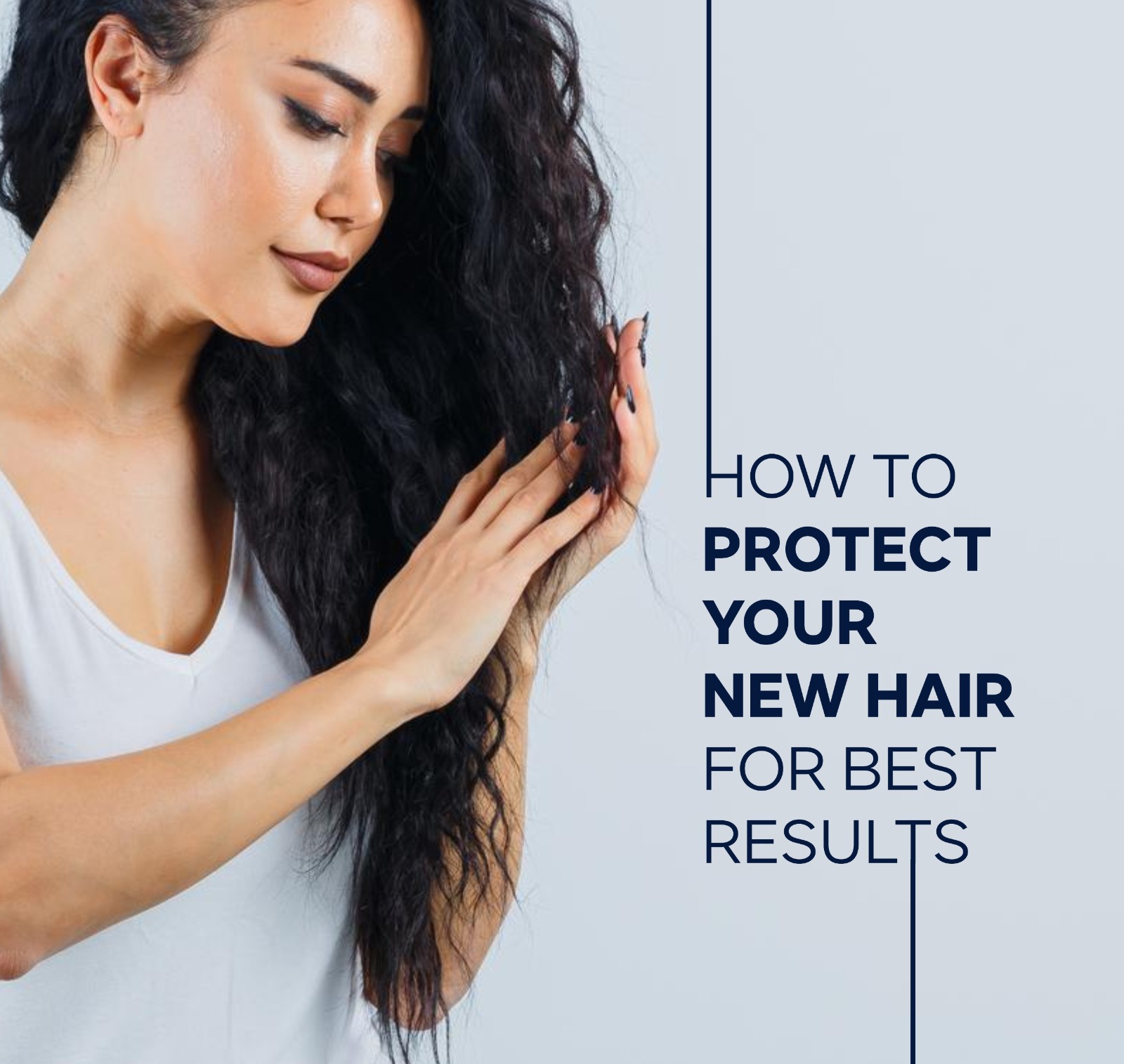
A successful hair transplant isn’t just about the procedure itself. The recovery period is just as important. It is when the real results start to take shape. How you heal in the days and weeks after treatment makes a big difference in your comfort and how well the transplanted grafts settle in.
The truth is, even the best hair transplant in Punjab can only help you with the surgery, not your aftercare. They can recommend steps and precautions to give your hair the best chance of recovery and improve your final results. This blog post will walk you through some of the general guidelines for post-transplant care.
The First Few Days Matter the Most
The first few days after the transplant are very important. The new grafts are fragile and need time to settle in. That’s why you must follow all aftercare steps closely and avoid anything that could disturb the treated area. Patients are encouraged to:
- • Avoid touching or scratching the scalp to prevent accidental dislodging of newly implanted grafts and reduce the risk of infection.
- • Sleep with the head elevated as recommended to help minimise swelling and prevent pressure on the grafts while you’re sleeping.
- • Be very careful and gentle while washing and bathing to protect the grafts, while keeping the scalp clean and comfortable
- • Stay away from excessive sweating to avoid irritating the scalp and interfering with the early healing process.
- • Protect the scalp from direct sun exposure because it can increase irritation and sensitivity.
At Recover Hair Transplant Centre, patients are guided through the recovery process with clear aftercare recommendations designed to support comfortable healing and optimal graft protection.’
Understanding Temporary Side Effects
Experiencing minor side effects after a hair transplant is completely normal. In the first few days, you might notice mild swelling, redness, or tenderness. This is completely normal, and they usually get better on their own as healing goes on. Many people also see small scabs around the transplanted hairs. This is completely normal. Don’t pick or pull them off. However, if you are experiencing severe and ongoing pain, excessive swelling, worsening redness, infection, discharge, or fever, you should contact your doctor as soon as possible.
At Recover Hair Transplant Centre, our team focuses on teaching patients what to expect at each stage of recovery. When you know what’s normal, you worry less and feel more at ease.
When Can You Wash Your Hair?
A common question many patients ask after getting a hair transplant is how to wash their hair. It’s very important for you to keep your scalp clean after the operations, but patients also have to ensure that they’re being gentle and following the clinic’s instructions. Here are a few helpful tips to keep in mind while washing your hair:
- • Only use milder products that are gentler on a healing scalp.
- • Don’t use high water pressure while bathing to avoid disturbing the new grafts.
- • Pat your scalp dry with a clean towel instead of rubbing it to avoid irritating the grafts.
- • Stick to the washing schedule your clinic recommends to give your grafts the best chance to heal properly.
Being gentle with your scalp keeps the treated area clean while protecting the new grafts. During recovery, being consistent matters more than scrubbing hard.
Lifestyle Habits That Support Healing
Recovery isn’t just about protecting your scalp. The way you take care of your body overall matters too. Consider the following habits:
- • Stay hydrated throughout the day.
- • Eat a balanced, healthy diet.
- • Get enough rest and sleep.
- • Avoid smoking or drinking alcohol.
- • Follow all your aftercare instructions.
These simple measures can support the body’s natural recovery processes and help patients feel more comfortable during the healing phase. At Recover Hair Transplant Centre, we encourage patients to build healthy habits that support both their recovery and overall well-being.
Returning to Daily Activities
With modern hair transplants, many people can get back to their daily routines pretty quickly. But you may need to hold off on strenuous physical activity for a while. Be careful with things like intense workouts, heavy lifting, swimming, contact sports, steam rooms and saunas. Excessive sweating, heat or exposure to harsh chemicals can damage or dislodge newly transplanted grafts. By restricting participation in strenuous activities, you can reduce putting unnecessary stress on the scalp as the grafts continue to stabilise.
Monitoring Your Progress
Everyone recovers at their own pace. Some people see changes quickly, while others notice gradual progress over several months. Keeping in touch with your clinic helps make sure everything is healing as it should. You can monitor progress by taking periodic photographs, observing scalp comfort and appearance, tracking changes in hair growth and attending scheduled follow-up appointments.
Documenting your journey makes it easier to see improvements that you might not notice if you’re just looking in the mirror every day.
Conclusion
A successful hair transplant isn’t just about the surgery. Good aftercare, realistic expectations, healthy habits, and patience all play a part in your recovery. Knowing what to expect after treatment helps you move through each stage with more confidence and less worry.
If you are considering a FUE hair transplant in Punjab, Recover Hair Transplant provides detailed recovery guidance and ongoing support as a part of the overall experience, so you’re never left guessing what comes next. From the first few days of healing to watching your new hair grow in, we help you every step of the way. Still, we recommend that you take time to learn about the recovery process, ask questions, and follow professional aftercare recommendations to support the best possible outcome.
FAQs
1. How long does recovery take after a hair transplant?
Most patients recover from the initial healing phase within a few weeks. But visible hair growth takes several months. How fast you recover depends on your body and how well you stick to the aftercare instructions.
2. Is swelling normal after a hair transplant?
Yes, mild swelling is common in the first few days and usually goes away as you heal. Following your aftercare routine helps manage discomfort and makes recovery smoother.
3. What services does Recover Hair Transplant offer?
Recover Hair Transplant offers advanced hair restoration like FUE hair transplant, beard transplant, and scalp micropigmentation. We also provide laser hair removal, birthmark removal, laser mole removal, Botox, fillers, and anti-wrinkle treatments.
4. Is FUE hair transplant available at Recover Hair Transplant?
Yes, FUE (Follicular Unit Extraction) is one of our main techniques. It’s a popular choice because it’s minimally invasive, leaves no linear scar, and allows for quicker recovery than older methods.
5. Why is aftercare important following a hair transplant?
Aftercare protects your new grafts, supports healthy healing, and lowers the risk of complications. Following the instructions helps you recover more comfortably and get better long-term results.